Inside ChoBiotics: how live probiotic cultures survive in chocolate
Most functional foods lose their active cultures long before the best-before date. Chocolate, it turns out, is one of the best carriers there is. A look at the science behind our ChoBiotics range.

Functional snacking is the fastest growing corner of the confectionery category, and also the one with the most disappointing products. Bars that promise probiotics and deliver almost none by the time they reach the shelf. Gummies where the cultures did not survive the cooking. Consumers have noticed, and retailers have started asking harder questions.
ChoBiotics is our answer: premium chocolate products enriched with live probiotic cultures that are still alive when the pack is opened. This is how it works.
The problem with heat and water
Probiotic bacteria are fragile in two specific ways. Heat above roughly 45 degrees kills them, and water lets them wake up, multiply and die before anyone eats the product. Most food processes involve both. Baking, extrusion and pasteurisation are all off the table, and anything with a moist centre gives the cultures a short, unhappy life.
Why chocolate is different
Chocolate has almost no free water. Its water activity sits far below the level where bacteria become active, so the cultures stay dormant, the way they do in a freeze-dried capsule. At the same time, cocoa butter forms a fat matrix around each culture and shields it from oxygen and light. The combination is close to ideal: the cultures sleep safely until the chocolate melts in the mouth.
How we add the cultures
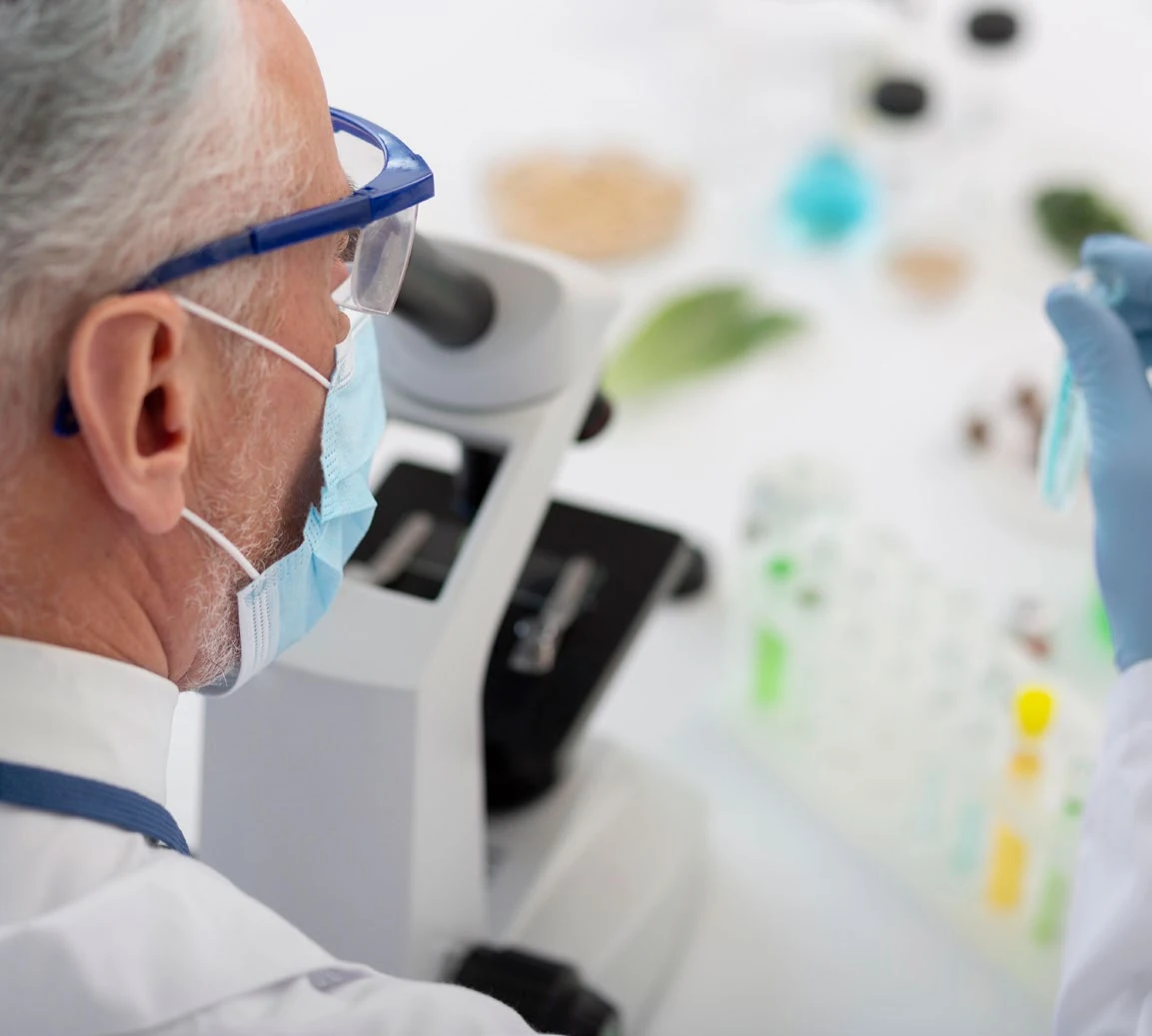
The critical step is temperature. Conventional chocolate production runs the mass well above what live cultures tolerate, so we add the cultures late, after tempering, when the chocolate is already at its working temperature and only minutes from setting. The cultures we use are stabilised strains developed for food use, added in a concentration that leaves a generous margin above the target count at the end of shelf life.
We then verify. Batches are sampled at production, after four weeks, after three months and at the end of the declared shelf life. The count on the pack is the count we can prove on the last day, not the first.
What we can say, and what we do not say
Functional products live under strict European rules on health claims, and we take that seriously. A ChoBiotics product states the strain and the guaranteed count of live cultures. It does not promise to cure anything. Where a concept includes vitamins, we formulate to the reference intakes so that permitted nutrition claims apply. Our R&D team prepares the claim wording together with the partner's regulatory contact before a single pack is printed.
The concepts brands are launching
- Multivitamin: a daily square of chocolate that carries a defined set of vitamins.
- Hair and nails: biotin and zinc based, popular with drugstore chains.
- Cognitive function: B vitamins and pantothenic acid, aimed at the office snack occasion.
- Women's wellbeing and children's wellbeing: tailored vitamin profiles in smaller portion sizes.
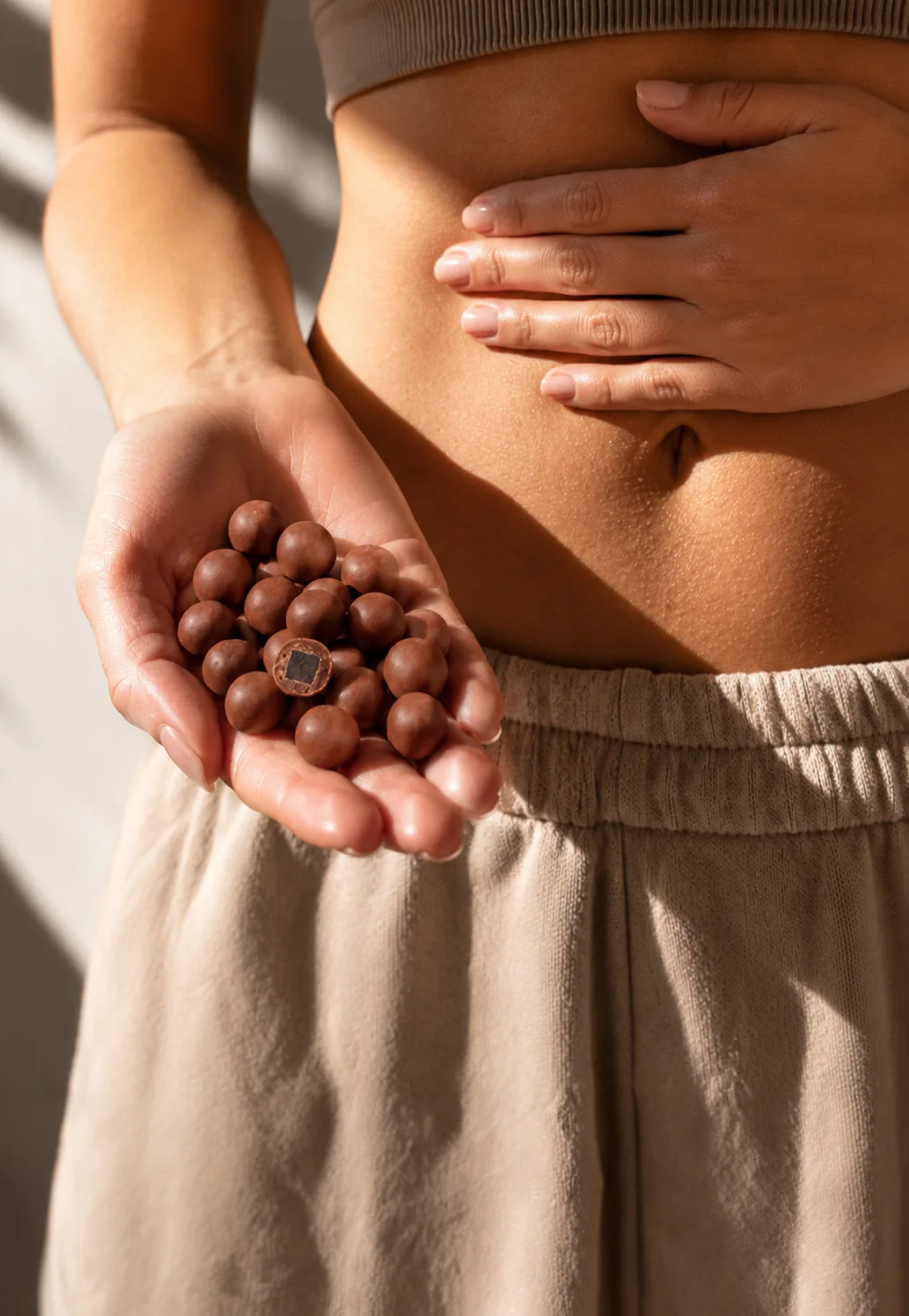
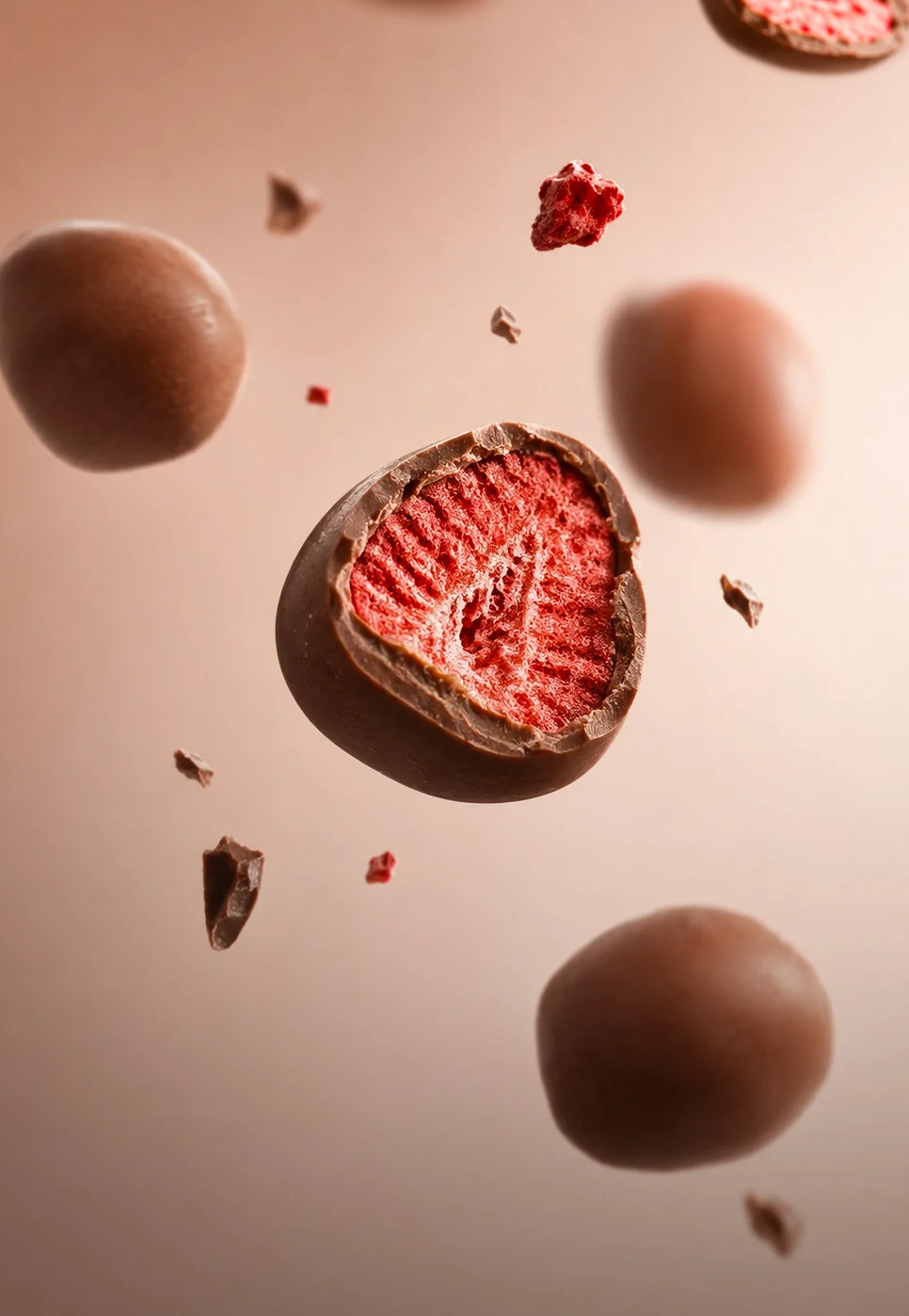
The base for all of them is a strawberry and banana chocolate that tastes like a treat first. That order matters. Nobody buys a functional snack twice if it tastes like a supplement.
Interested in a functional concept for your shelves? Talk to our R&D team about a tasting sample.