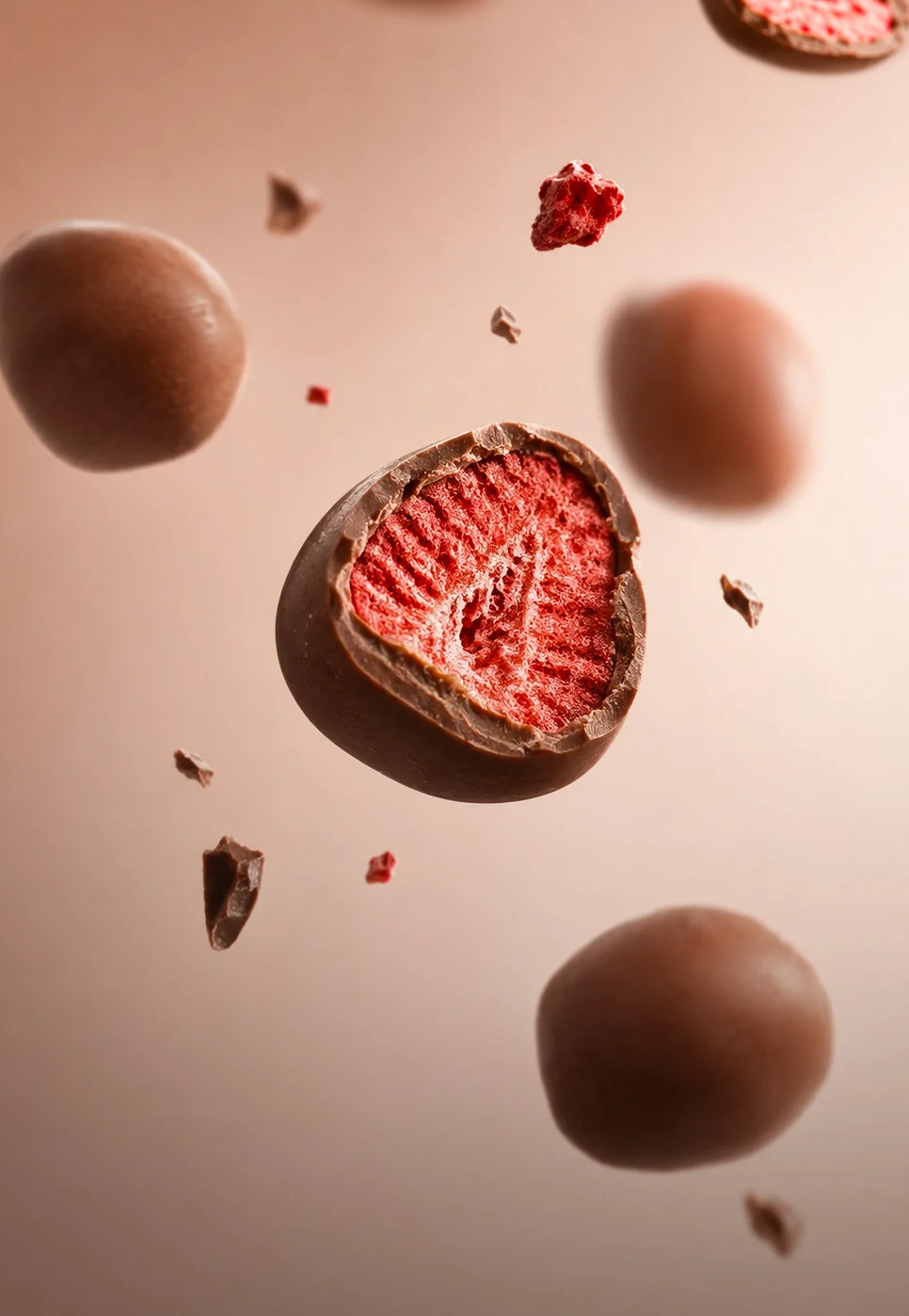
From brief to shelf: what a private label launch really looks like
A retailer sends a two-page brief in March and the product is on the shelf in September. What happens in the six months between? A step-by-step look at how a private label project runs at Naturalica Foods.
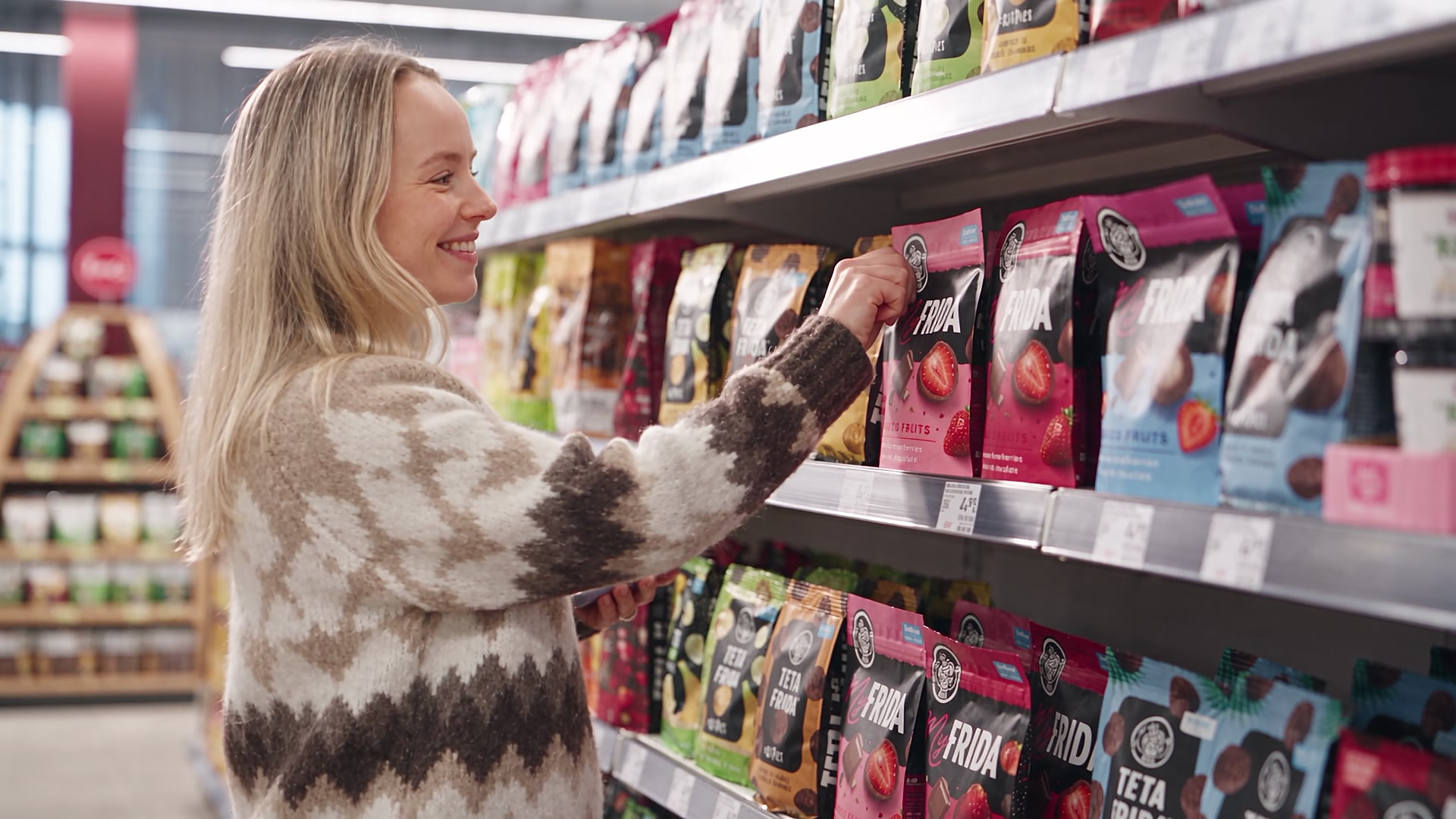
Every private label project we run follows the same seven steps, whether it is a single doypack for a regional chain or a twelve-product range for an international discounter. The steps are simple. The discipline of not skipping any of them is what makes the launch date hold.
Step 1: The brief
A good brief fits on two pages. Target price on shelf, target consumer, the occasion, the channel and the launch window. We also ask for the three products the buyer admires most in the category, because that tells us more about taste expectations than any specification sheet.
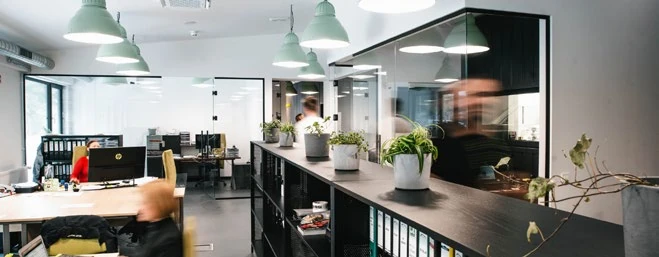
Step 2: Concepts and first samples
Within two to three weeks our R&D team presents two or three concepts with real samples, not renders. Freeze-dried raspberry in white chocolate, a frozen strawberry in milk chocolate, a layered cheesecake bar. Each concept comes with an indicative cost and a note on which of our lines it would run on.
Step 3: Validation
The chosen concept goes through a sensory panel and, when the partner wants it, a small retail test in one of the Teta Frida cafés or a friendly store. This is the cheapest moment to change a recipe. We would rather adjust the chocolate now than after the first production run.
Step 4: Packaging
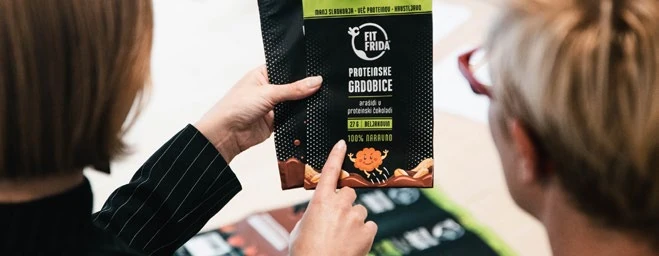
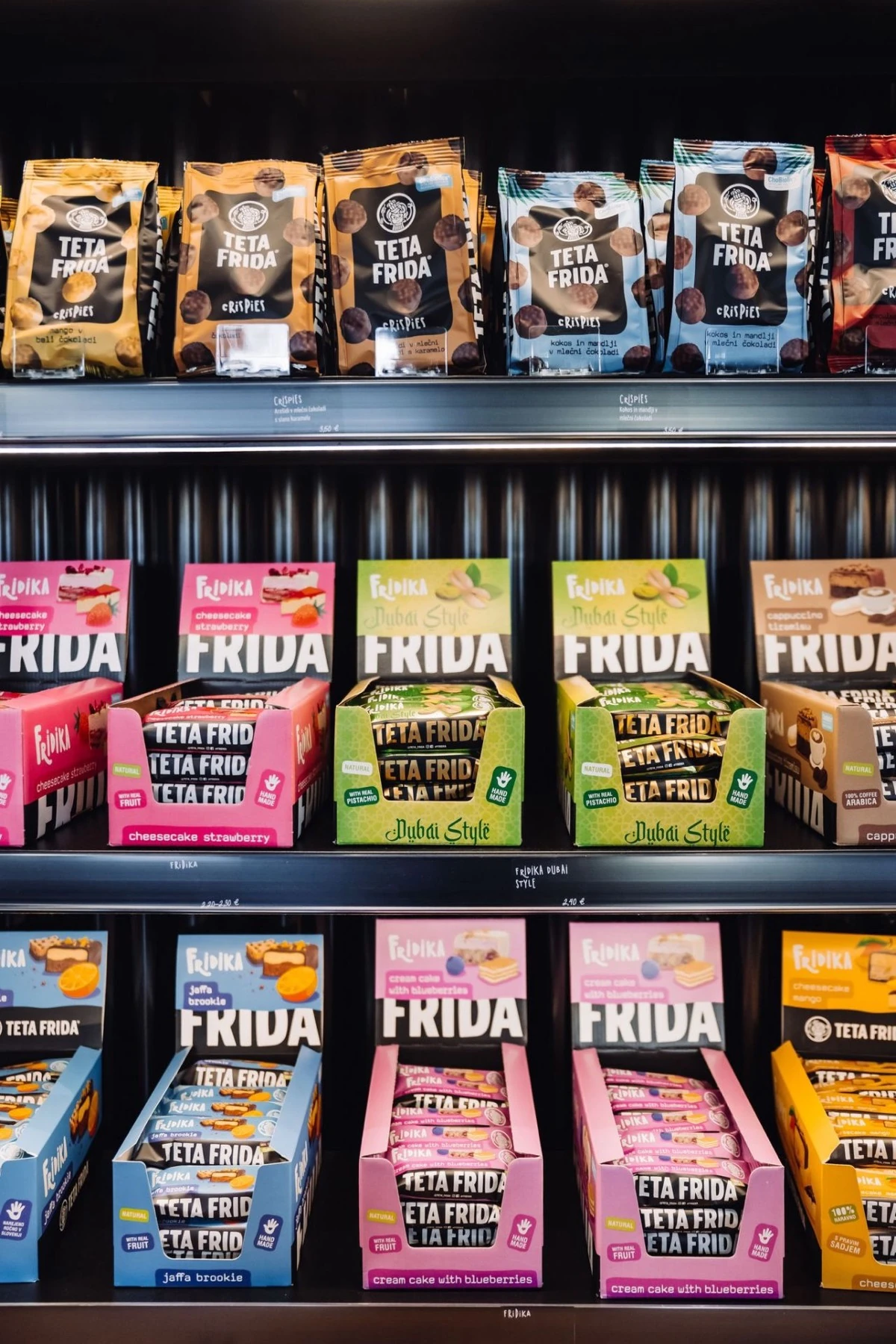
Our in-house design studio prepares the artwork in the partner's brand system, or designs a new one. Format decisions happen here too: doypack or stabilo bag, single-portion pillow bag, frozen cup, a three-face counter display or a full pallet display. Packaging is also where the legal review happens: ingredient lists, allergens, nutrition tables and any claims, in every language of the launch markets.
Step 5: Production
Production runs under IFS Food, ISO 14001, Halal and Kosher certification on our lines in Maribor. First runs are attended by the partner's quality team when they wish, and retained samples from every batch stay in our archive for the full shelf life.
Step 6: Logistics
From our warehouse the product ships to distribution centres in more than 25 countries. We plan pallet configurations with the retailer's warehouse in mind, not just the truck, so that displays arrive ready to place.
Step 7: Life on the shelf
The launch is not the end. We track sell-through with the partner, collect consumer feedback and prepare the second wave: a seasonal edition, a new coating, a larger sharing format. Most of our longest partnerships started with one product.
The realistic timeline
- Weeks 1 to 3: brief, concepts, first samples
- Weeks 4 to 7: validation and recipe freeze
- Weeks 8 to 14: packaging design, legal review, print
- Weeks 15 to 20: first production and quality release
- Weeks 21 to 24: shipping and shelf placement
Why launches fail
In our experience launches slip for three reasons: a recipe changed after packaging was printed, a claim that did not survive legal review, or a packaging format that the retailer's warehouse could not handle. All three are avoidable when development, packaging and production sit under one roof and talk to each other every day.
Have a brief in the drawer? Send it over and we will come back with first concepts within three weeks.